In 2009, Barack Obama became president, and I became the food writer for the Buffalo News.
Since then, a lot has changed. Including what goes through my head while I chat with people who are launching public-facing cooking ventures. Because after you interview a thousand entrepreneurs with dreams, and then see how they play out, the data stacks. You get better at guessing how the story ends.
For most, that dream comes flying apart under the weight of reality. Budgets, money, people, taxes, jobs, permits. Personal flaws. Prolonged road repair projects. Then it snows.
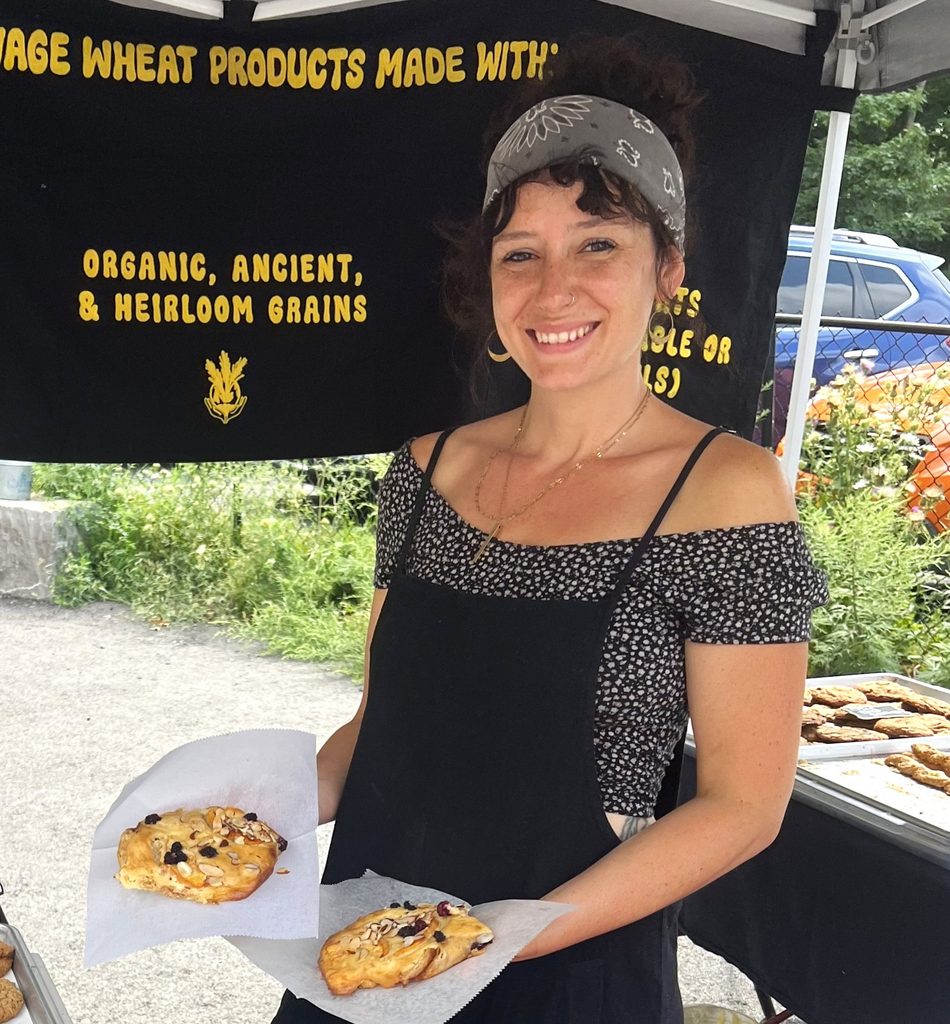
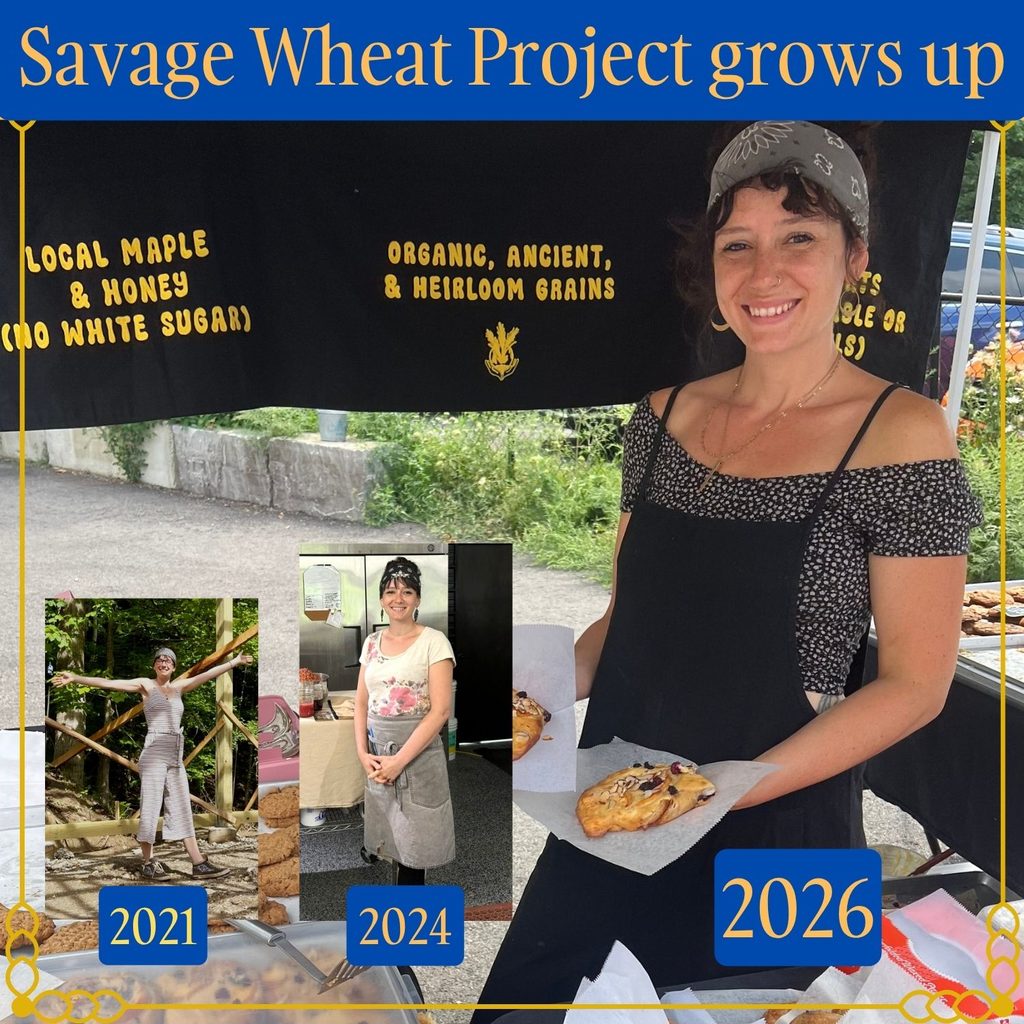
That grim fact is why Emily Savage inspires me.
A decade ago, Savage was the pastry chef at Grange Community Kitchen. Then she contracted Lyme disease from a tick bite, triggering an autoimmune flareup that meant her gut could no longer abide white flour and refined sugar, the pastry chef’s stock in trade.
Her response was to redo her recipes to her own standards: no refined flour, white sugar, or seed oils. Her Savage Wheat Project breads, rolls, danishes, cookies, and more are sold at the North Tonawanda City Market, the Hamburg Farmers Market, Farm Shop, and nearly 20 outlets.
Savage switched her flours to heirloom grains, which don’t trigger sensitive digestive systems the way modern wheat does. Spelt, einkorn, and other grains make bread anyone who’s not actually celiac can eat.
She tapped into regional suppliers of rare flours, but the shortage of heirloom grains led Emily Savage to become a grain farmer, partnering with experienced farmers with the right tools and acreage. Starting with handfuls of rare grains, her crews sowed and reaped, multiplying them year after year.
After four years her granary was bountiful enough to plant an entire field. It was the first time Savage’s experiment had grown large enough to require a combine to harvest.
After that triumph, years in the making, vermin got into her grain storage and ruined 95 percent of her carefully hoarded seed stock. Plans to finally get her own kitchen fell through after several attempts. Savage needed her own place, her own kitchen, her own business hub, or it wasn’t going to work.
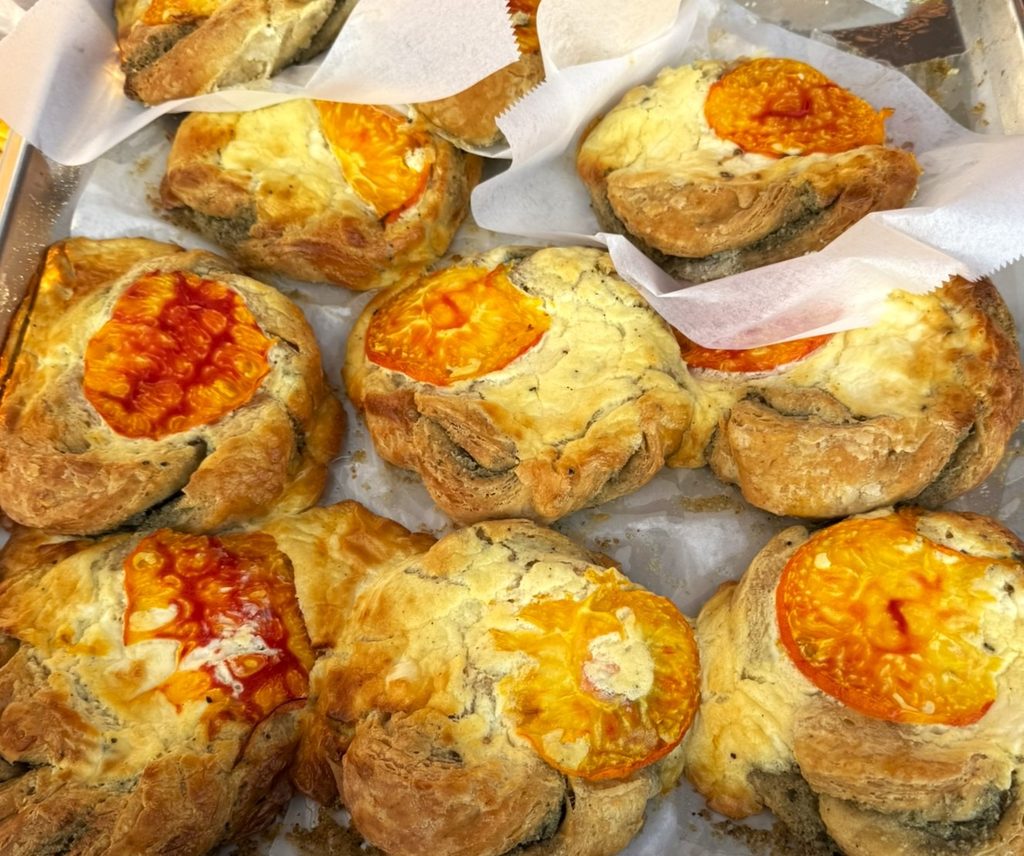
For most entrepreneurs, that would have been the time to throw in the towel. Steadfast in her compass readings, Savage kept going. She bought a little farm in Darien, with a dedicated bakery space built to her specifications. She hired a baker who shows up on time and calls making Savage Wheat Project pastries, bread and granola her “dream job.”
It’s Savage’s dream job, too. “I not only know that this is the place where I and Savage Wheat belong, it’s where the story truly begins,” she said, offering Galatians 6:9. “Let us not become weary in doing good, for at the proper time we will reap a harvest if we do not give up.”
Out back she’s planted raspberry canes – red, golden, Anne, and purple – which in a few years will augment the supply of native blackberries and black raspberries that dot Savage Wheat danishes, in season. She put in an eighth acre of garlic.
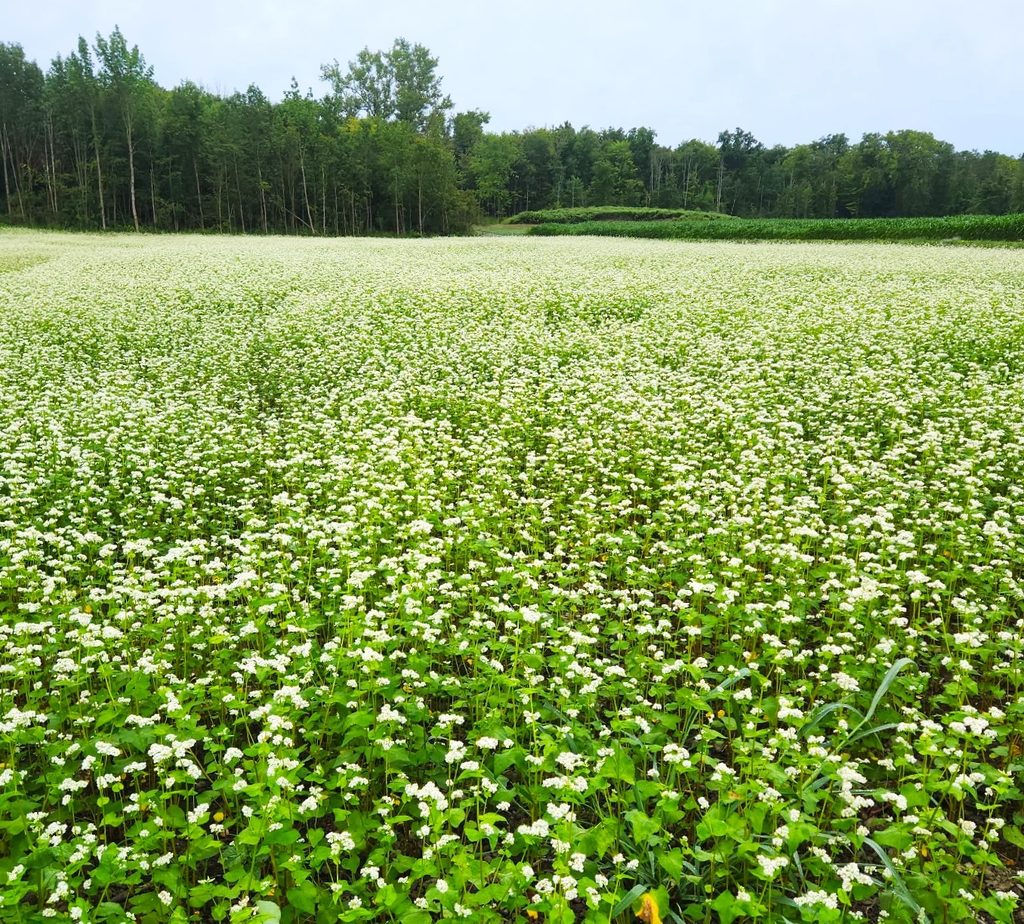
Buckwheat is blooming in 80 acres of a neighboring field, and more in garden beds. Spelt is next, with the help of local organic farmer Rodney Graham’s seed stocks. Then the survivors of the Black Emmer, Chocolate Emmer, Eclipse Einkorn, Oberkulmer Spelt, Red Fife, and Rouge de Bordeaux from her earlier propagation efforts.
Her chickens are not yet laying all the eggs she needs for her bakery, but eventually they will. Chickens will eventually become pot pies, double crust, of course.
“I’ve seen hardships – in childhood, physical illness, seed loss due to vermin, crooked businesspeople – but I see hardships as a strengthening exercise,” Savage said, “not an excuse to be a victim.”
Today, Emily Savage has a 53-acre farm with an on-site professional kitchen. “We will be working with Miles Perry of Perry Dice Organics this coming summer to finish the loop from seed to loaf,” she said.
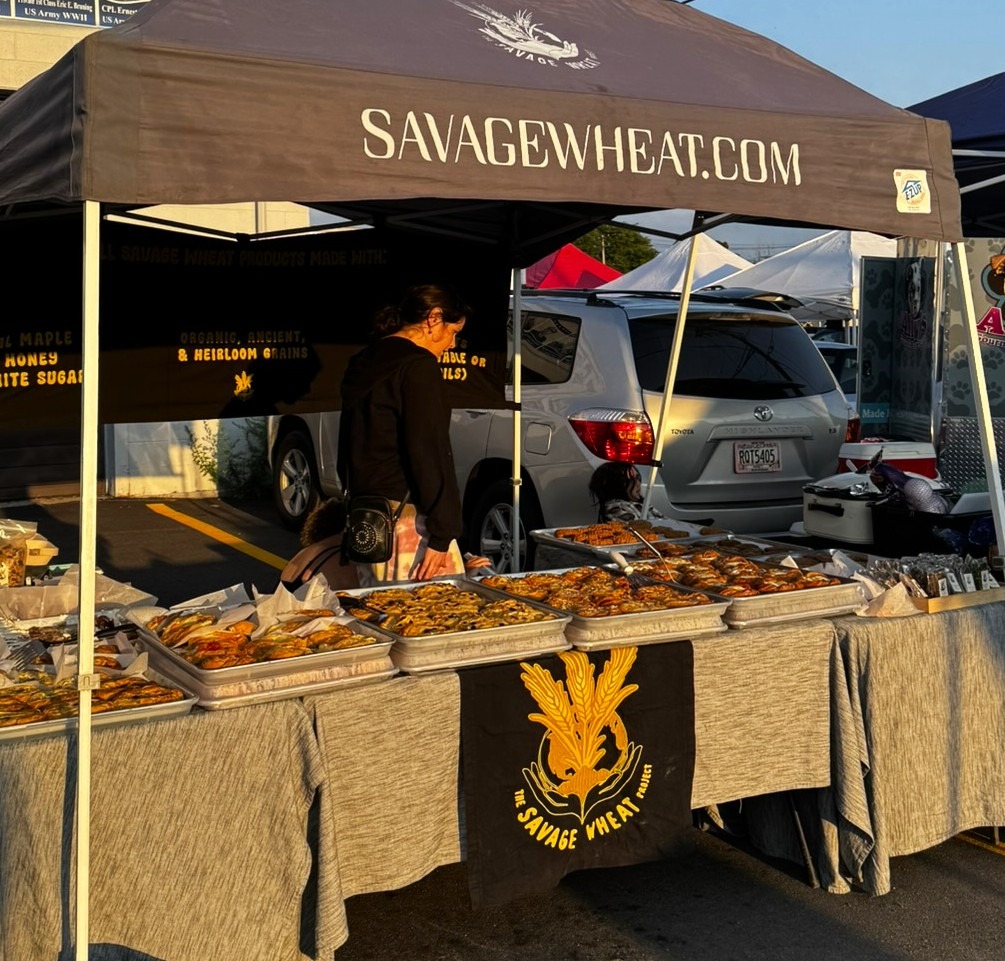
This year Savage Wheat Project joined the ready-to-eat food row at North Tonawanda City Market. Next to the tamale sellers, Savage Wheat danishes beckon to passersby.
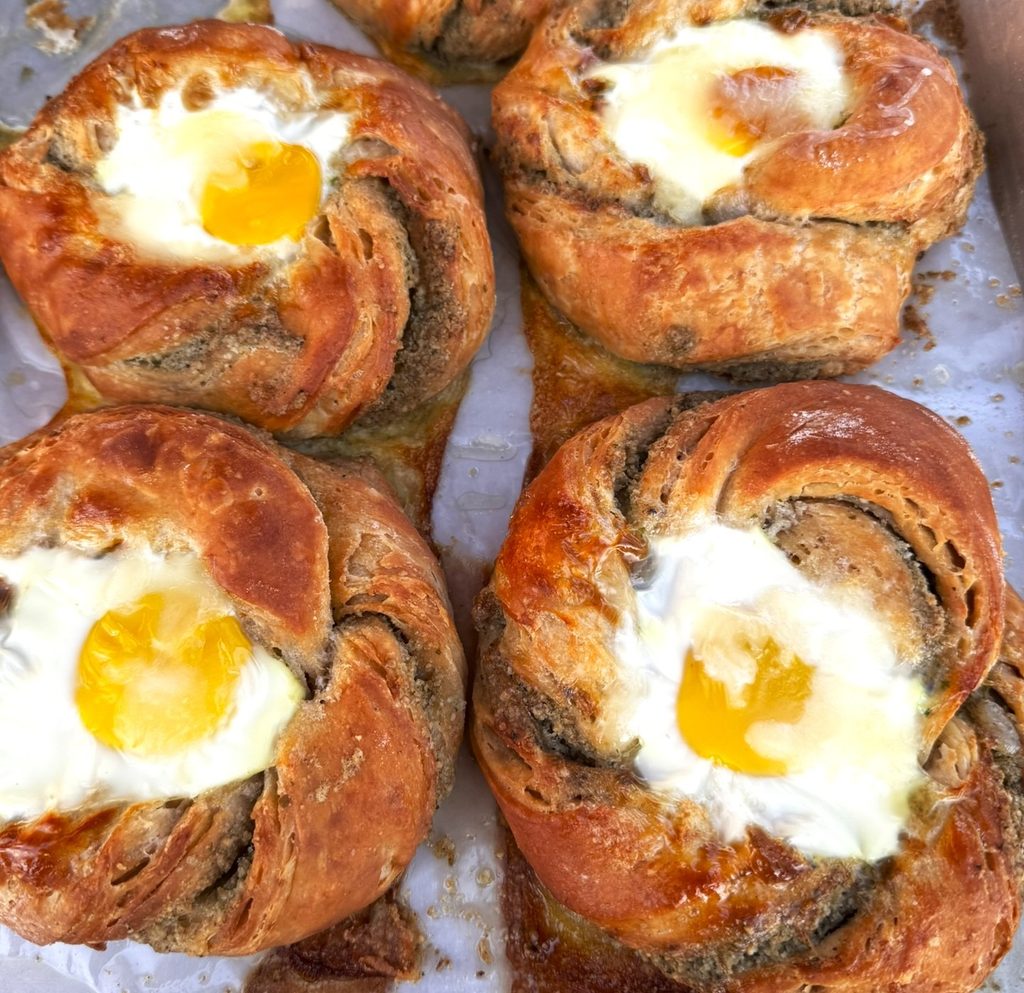
Recently, heirloom tomatoes gave savory danishes a tie-dyed effect, next to egg and pesto danishes. Foraged black raspberries joined sweet cheese in another. Every week, Savage Wheat Project spreads the word about bread humans were meant to eat.
(Besides Saturdays at North Tonawanda and Hamburg markets, Savage Wheat Project products are available at Canticle Farm, Clear Water Farm, Elm Street Bakery, Erba Verde, Farm Shop Buffalo, Fitstop, FreshFix.com, Healthy Living Farm, Organic Produce Direct, Providence Farm Collective, Red and White Cafe, Rise N Swine, Slow Season Cafe, Thorpes Organic Family Farm, Whistle Stop, Yankee Beef Shoppe, and 49 Coffee House.)
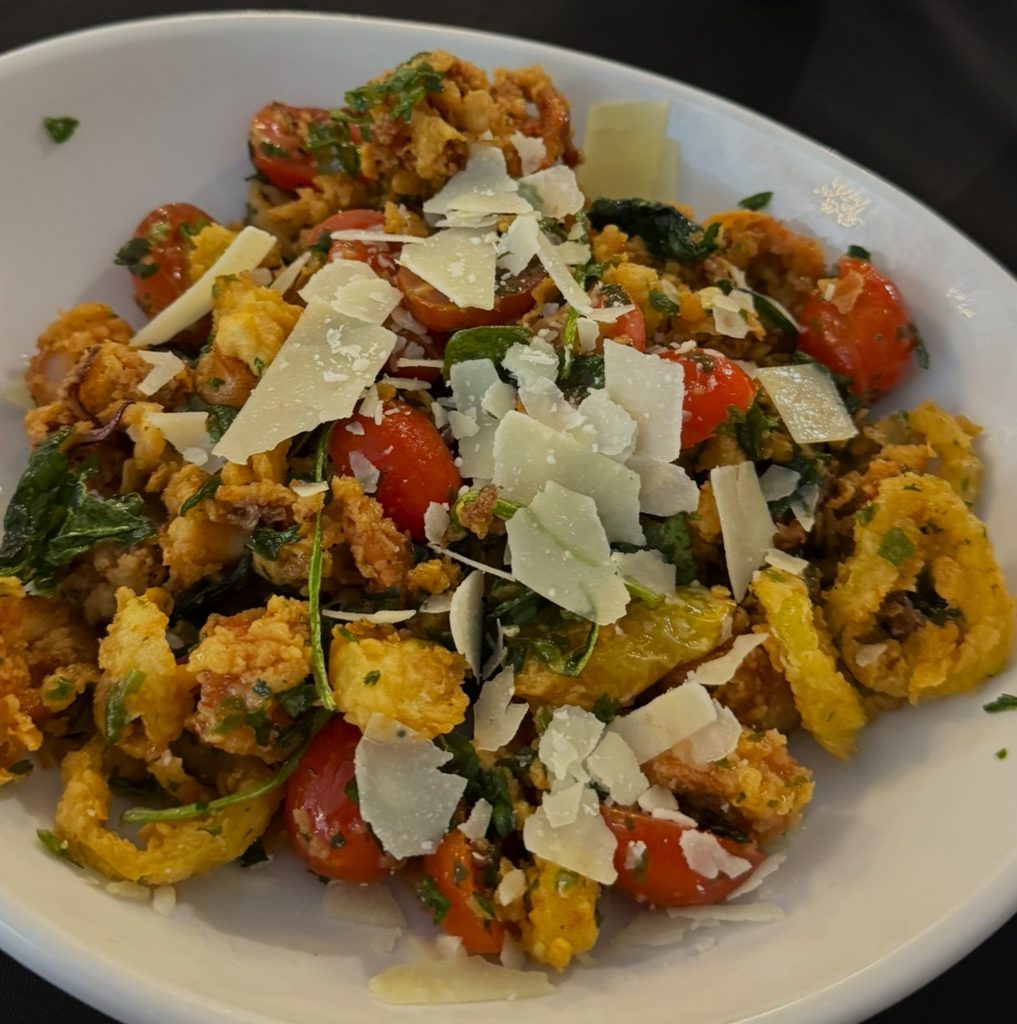
REVIEW: The White Inn has served Fredonia since 1868. New ownership has breathed life into its venerable bones with a thorough redo with modern amenities. That includes its restaurant, which offers a menu that would make most Buffalo hotel guests green with envy, and faint with hunger. Scratch cooking like coconut shrimp with mango-habanero dip, kicked-up calamari with pepper rings and blistered tomatoes, plus specials like Korean-influenced bulgogi with house pickles makes David Sign’s menu a sign to stop by. (Today, for patrons.)
ON DECK: In Lockport, Shamus is a harbor of hospitality, starting from the copper-topped shine of its bar to the better-than-average Americana across the menu. Opened in 1950, under current ownership since 1990, Its reliability starts with ownership on the floor, with owner Ann Murphy quarterbacking the play. Her son Robert is in the kitchen, with veteran chef Dave Stoll. From hand-dipped onion rings and Reuben balls to the sticky toffee pudding, Shamus is a sure thing. (Later this week, for patrons.)
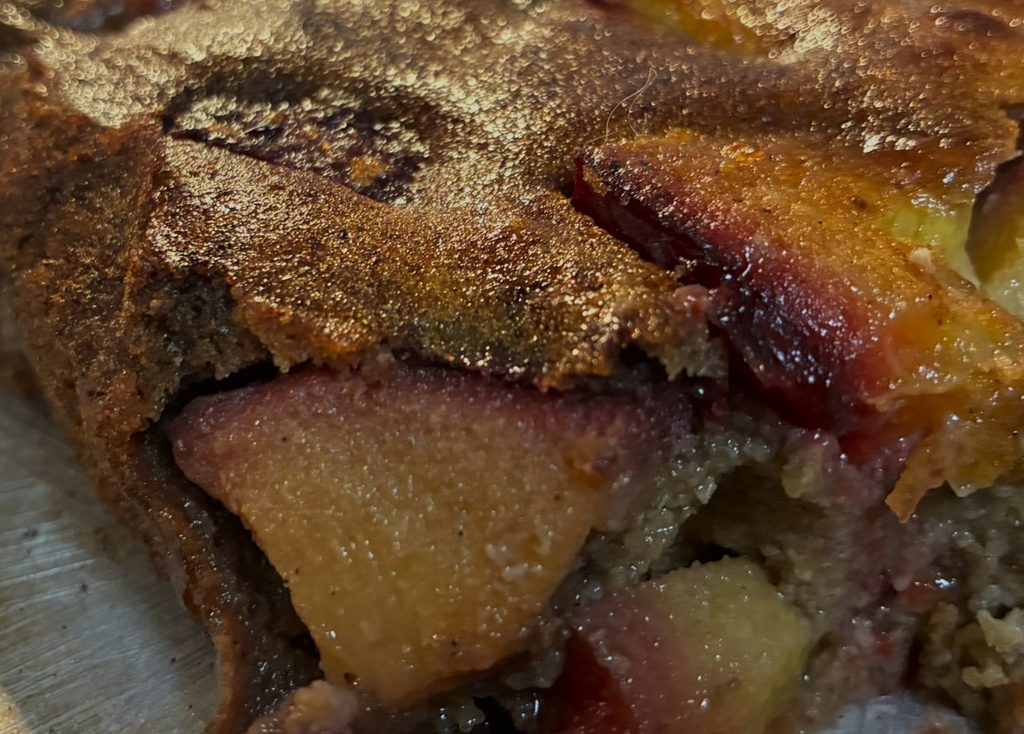
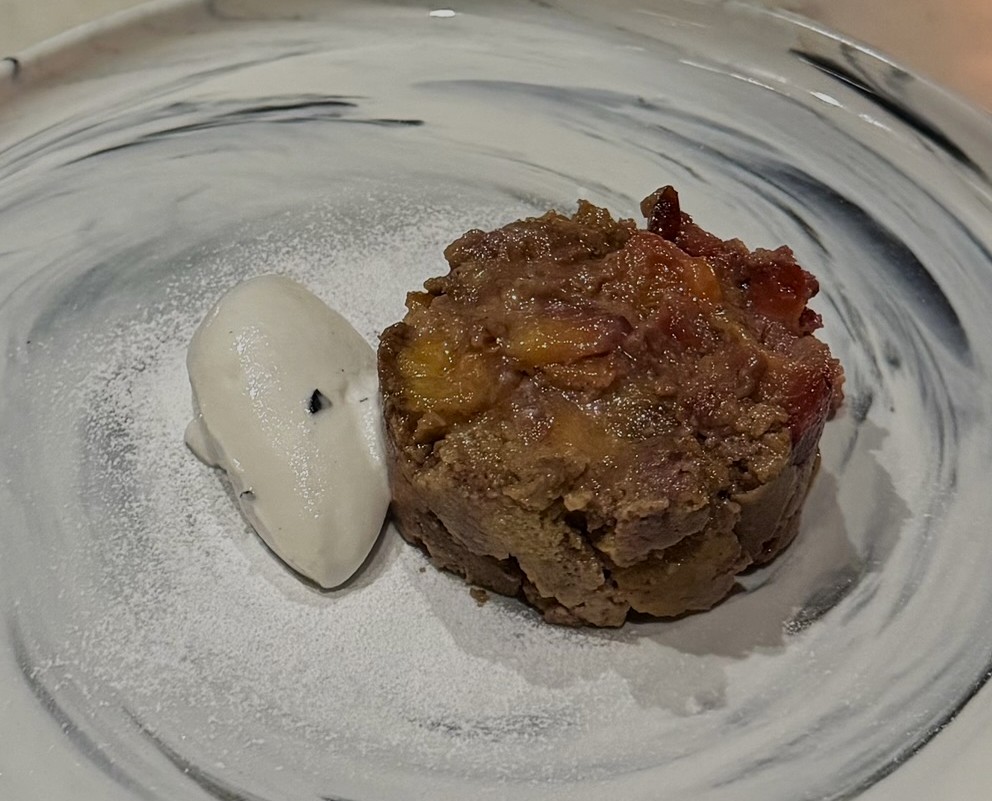
WAXLIGHT CLAFOUTIS: Chef Joseph Fenush spotted my clafoutis recipe last week a couple weeks ago, and mentioned that he was preparing a purple plum and oil cured black olive version, pictured above, for Sunday brunch.
Even if you’re all out of cured black olives, clafoutis is still the solution when you have too much stone fruit and too little time.
ASK THE CRITIC
Q: What’s your favorite farmers market?
– Vince N., East Aurora, via Facebook Messenger
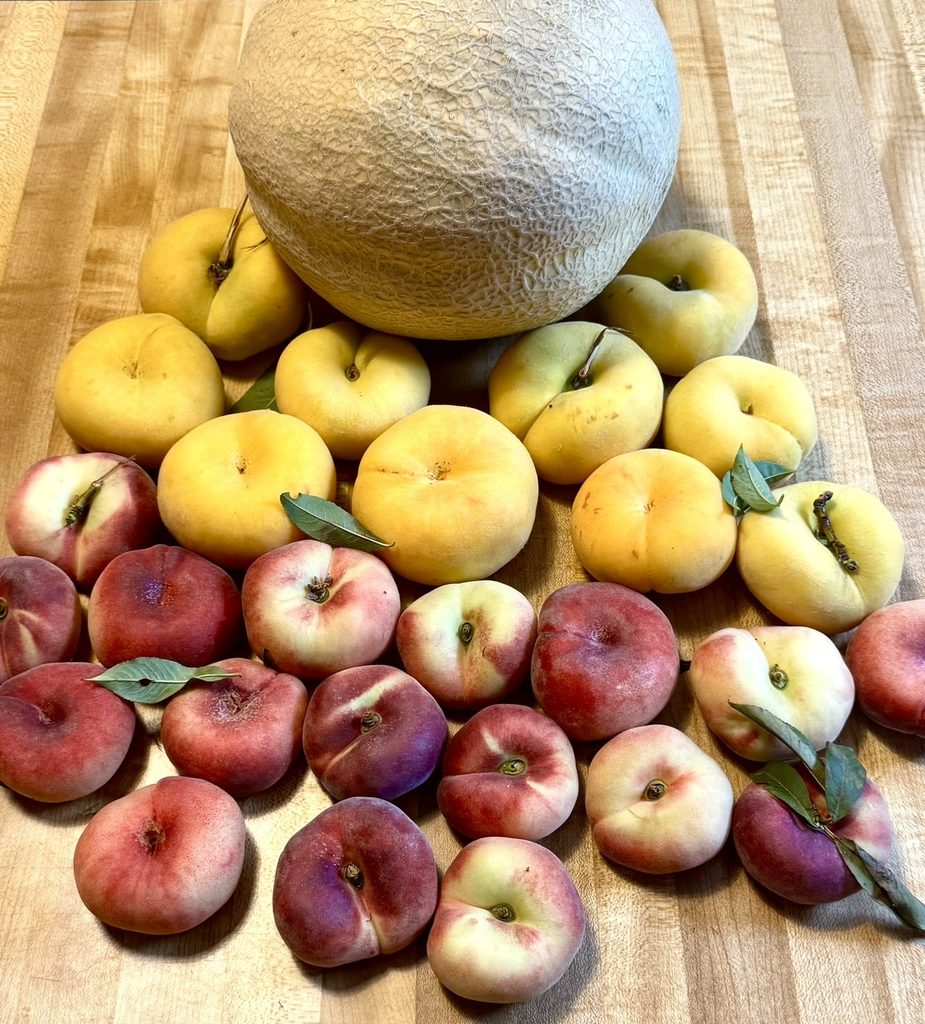
A: North Tonawanda City Market, for its dominant grower culture, despite a few resellers. For me, getting the best possible fruits and vegetables for less than supermarket prices is its own flavor of cheap thrill. On Saturday, I got quarts of two sorts of donut peaches from Canfield Farms ($13), then a chonky cantaloupe ($5) from Yager Farms that perfumed the car ride home.
More local food and restaurant stories compiled by Michael Chelus of Nittany Epicurean:
- Mr. Galarneau wrote about the stick-to-your-ribs dinners you can get made by a Palestinian grandmother at Amira’s Kitchen [Four Bites]
- Eden farmer Matt Agle is making pop from 100% local fruit [Four Bites]
- Brian’s Buffalo Beer Buzz told us about the opening of Local Hollow Brewing, the third anniversary party at Mystic Hills Brewing and more [Buffalo Beer League]
- You can now bring your own lunch to Road Less Traveled Theater on Wednesdays [Buffalo Rising]
#30#