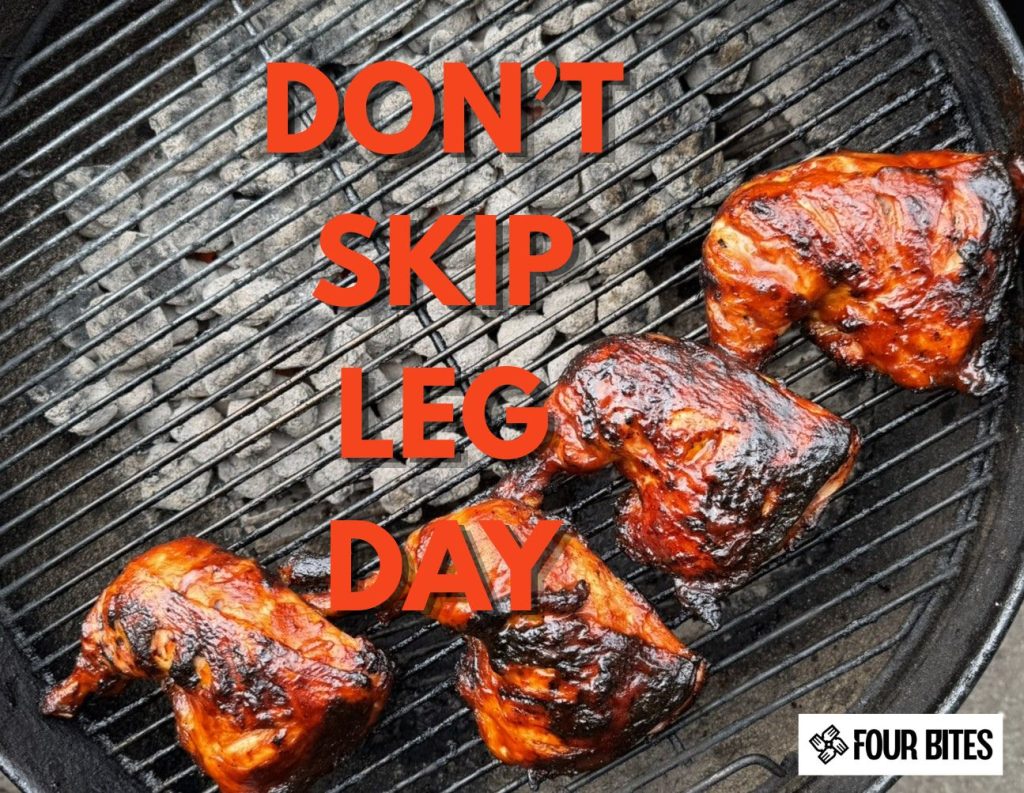
Decades of chicken breast obsession has resulted in a widespread deficit of American chicken barbecue knowledge. The challenge of cooking sugar-laquered dark meat chicken on the bone without excess carbon deposits makes it the most-abused backyard barbecue beast.
With four decades of practice, I have it down to a science. Let me help.
First, accept that it will take an hour to 90 minutes to cook dinner. No one runs their mouth when a chicken is roasting in the oven, but chicken breast myopia gets the best barbecue chicken – bone-in, skin on – declared a luxury we don’t have time to cook.
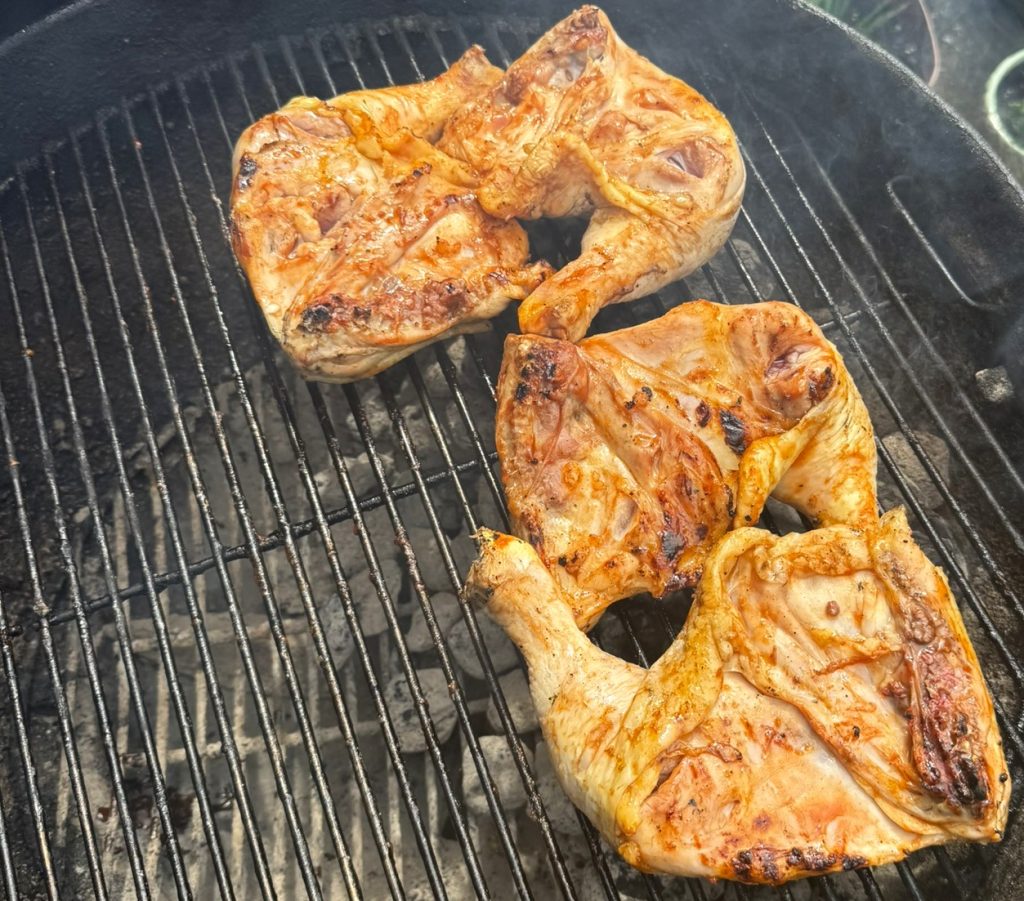
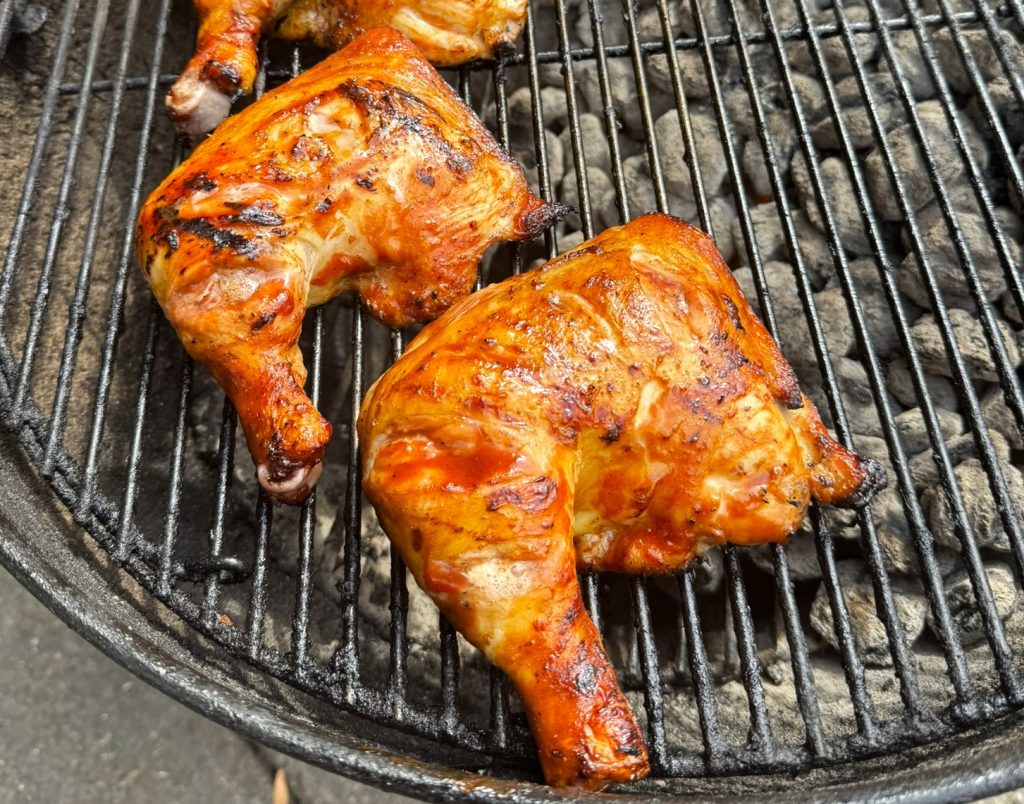
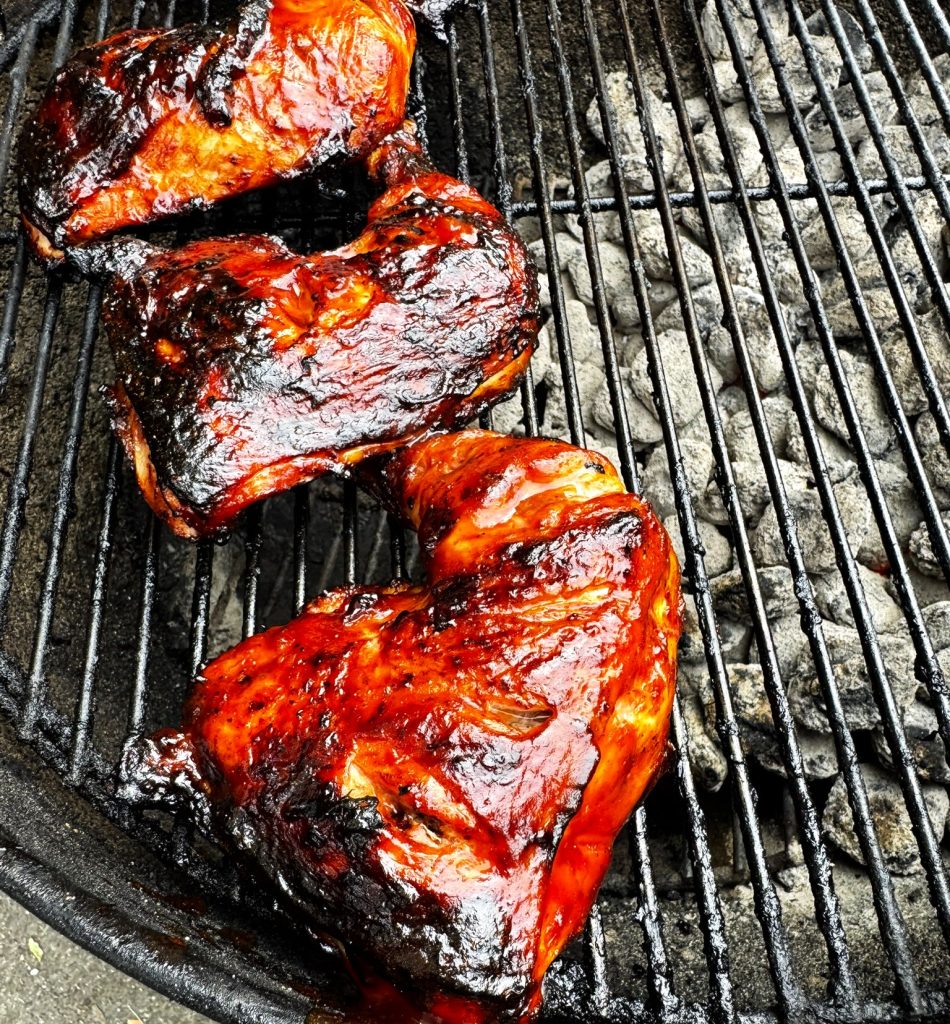
Take the chicken out of the refrigerator an hour before you plan to start cooking. Room temperature meat grills better.
Use a sharp knife to make a slice every inch or so, down to the bone. This helps heat get where it needs to go.
Light your charcoal, or preheat your gas grill. A kettle-style charcoal grill, like my battered Weber, is best. The tight-fitting lid allows roasting as well as cooking via direct heat. Gas grills often have lids that allow too much ventilation while closed, diminishing the roasting effect as heat escapes.
Meanwhile, make your barbecue sauce. Mix a prepared sauce like KC Masterpiece with ketchup and cider or white vinegar in 1:1:1 ratio. That is, equal amounts of barbecue sauce, ketchup, and vinegar.
Pour lit briquettes on one side of the grate. You are creating a two zone fire, one with coals underneath it, the other not. On a gas grill, turn on the burners on one side only.
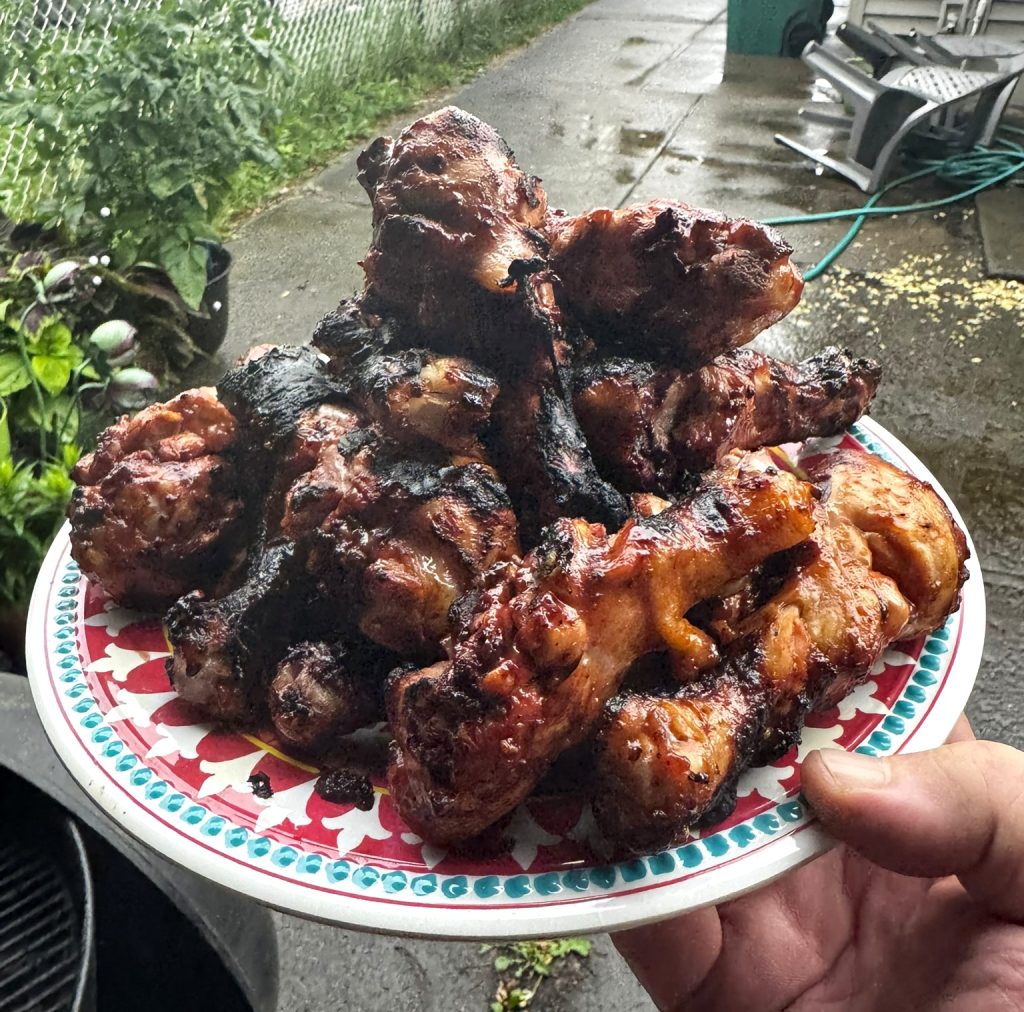
Place chicken over the heat. Turn it every two minutes, avoiding flareups. Flames mean soot and soot tastes nasty. A bit of flame is fine, but when it starts to grow from the rendered chicken fat hitting coals, that’s a “flareup.” So if you get flareups, move the chicken to the cool side until the fire goes away.
After 5 to 10 minutes, move the chicken to the cool side. Using a heatproof brush or rolled up paper towel, apply sauce to all surfaces of the chicken pieces.
Close the lid. Leave all vents open, and let the oven effect work. Every 10 minutes, open the lid, baste, and turn the chicken parts so they cook evenly.
How long you should cook always depends on the fire’s intensity. So after about 45 minutes total cooking time, I use a knife to nick a piece of chicken down to the bone and see if it’s done. Keep your digital probe. I want to see the meat next to the bone.
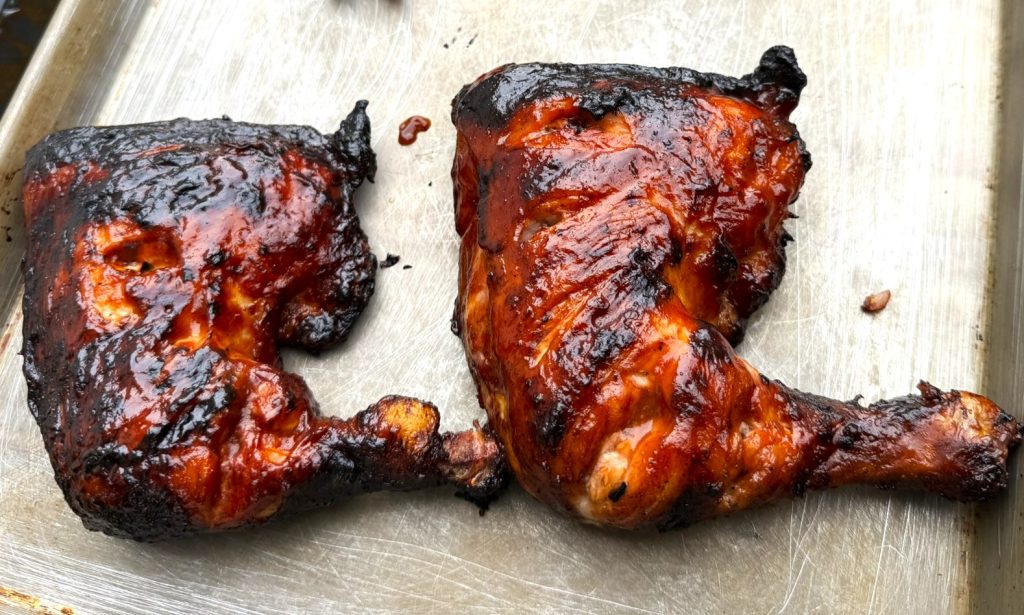
When I reckon it’s almost there, the chicken pieces go back over the coals, lathered with more sauce. This is the most dangerous step, so don’t get distracted. You’re aiming for caramel, which becomes charcoal if you overshoot.
When the edges are crispy and juices are running clear, it’s done. Remove to platter, let cool, and enjoy.
As ever, if you have questions, I’m here to help. Drop me a line at andrew@fourbites.net.
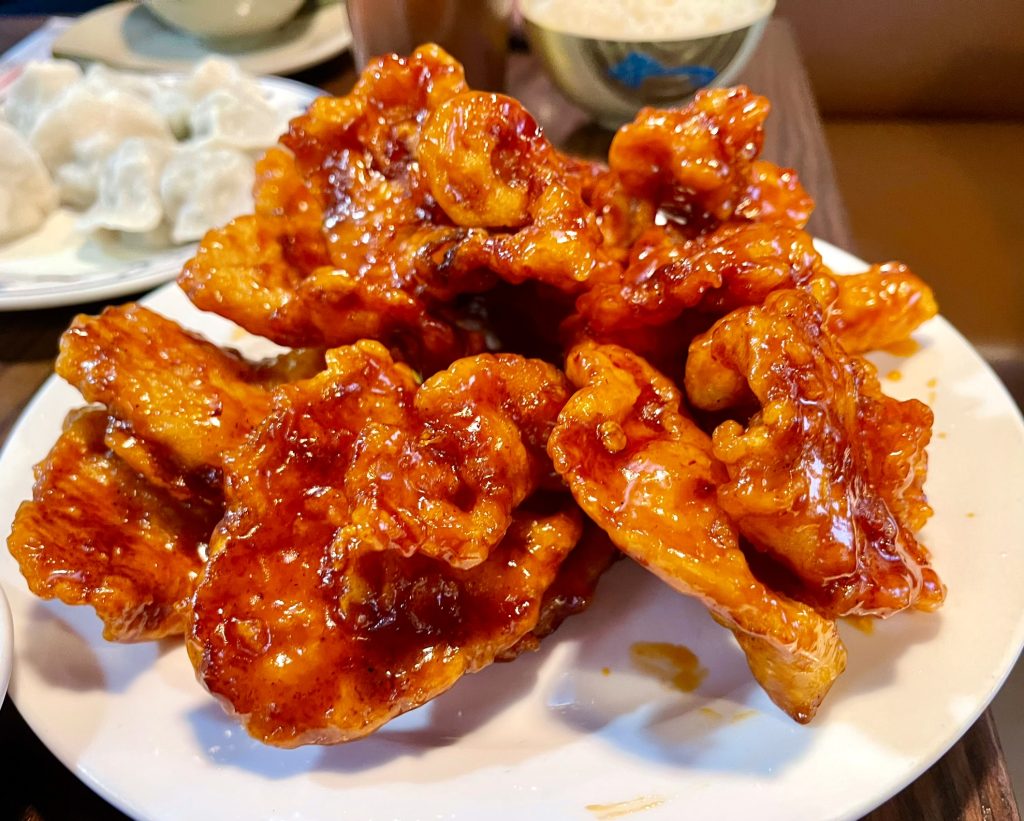
REVIEW: A round of applause, please, for the University at Buffalo’s international recruitment programs, which have had the side-effect of improving eating opportunities for Western New Yorkers. Amherst has a significant enough population of Chinese nationals that we can enjoy restaurants serving the sort of Chinese food that Chinese people enjoy. Tonawanda’s Peking Quick One and Kenmore’s Home Taste are better known than China Taste, right next to the Amherst Campus on Sweet Home Road. (For patrons, later this week.)

LAST CALL FOR 101: The last Four Bites 101 summer session seminar is Aug. 6 at Alibaba Kebab, 827 Military Road, Kenmore.
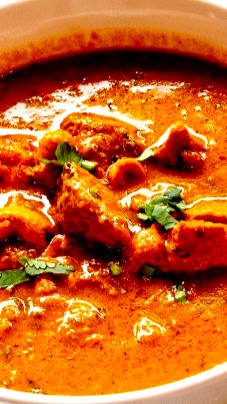
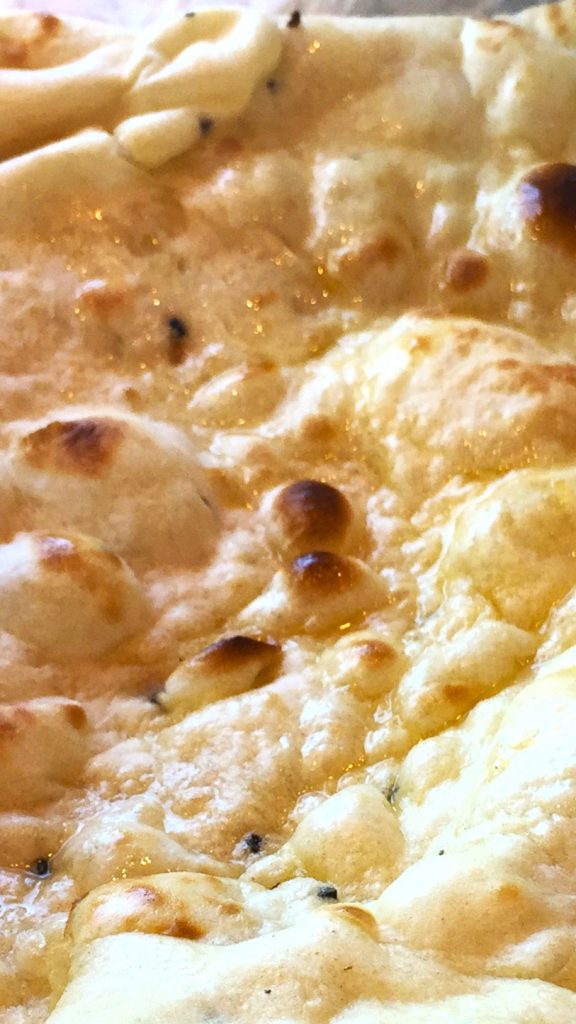
Enjoy a buffet of Indian classics while I explain what’s in it, how it’s made, and answer questions.
You get fresh buttered naan, beef kebabs, tandoori wings, chana masala chickpeas, basmati rice, and potato-and-peas samosa vegetable pastries with spicy green and date-tamarind chutneys, and gulab jamun for dessert. Plus a mango lassi yogurt shake.
Event starts at 6 p.m. Tickets, $30, include tax and tip. Seats are limited; get yours here.
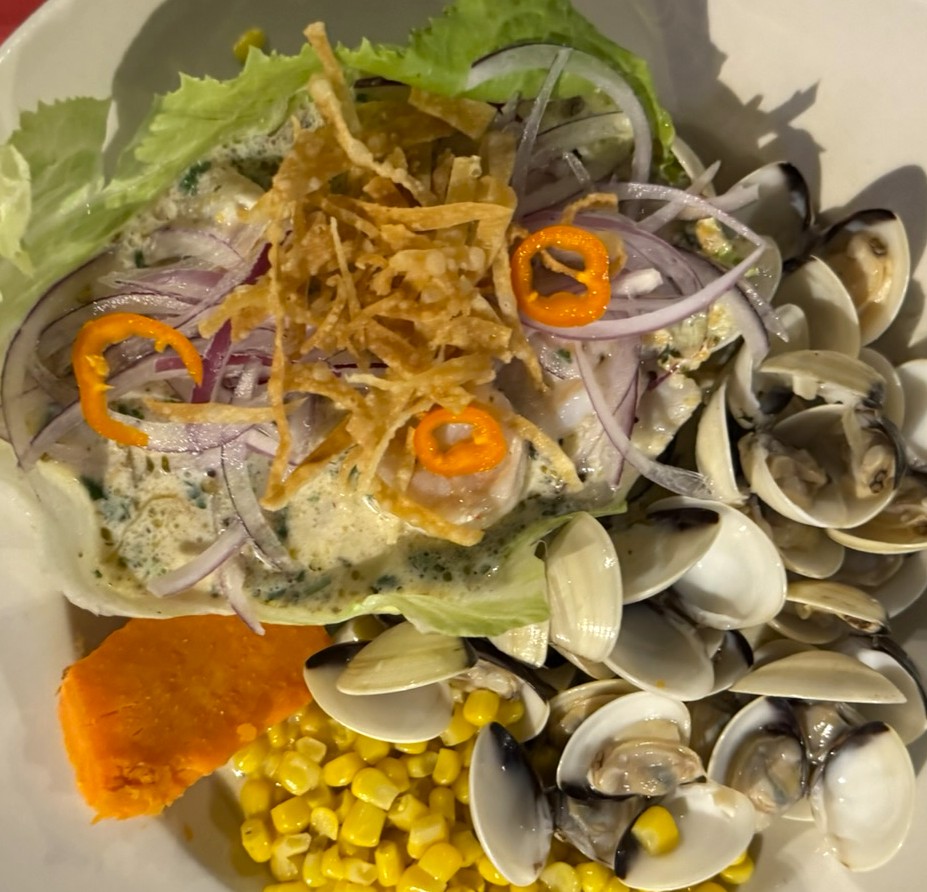
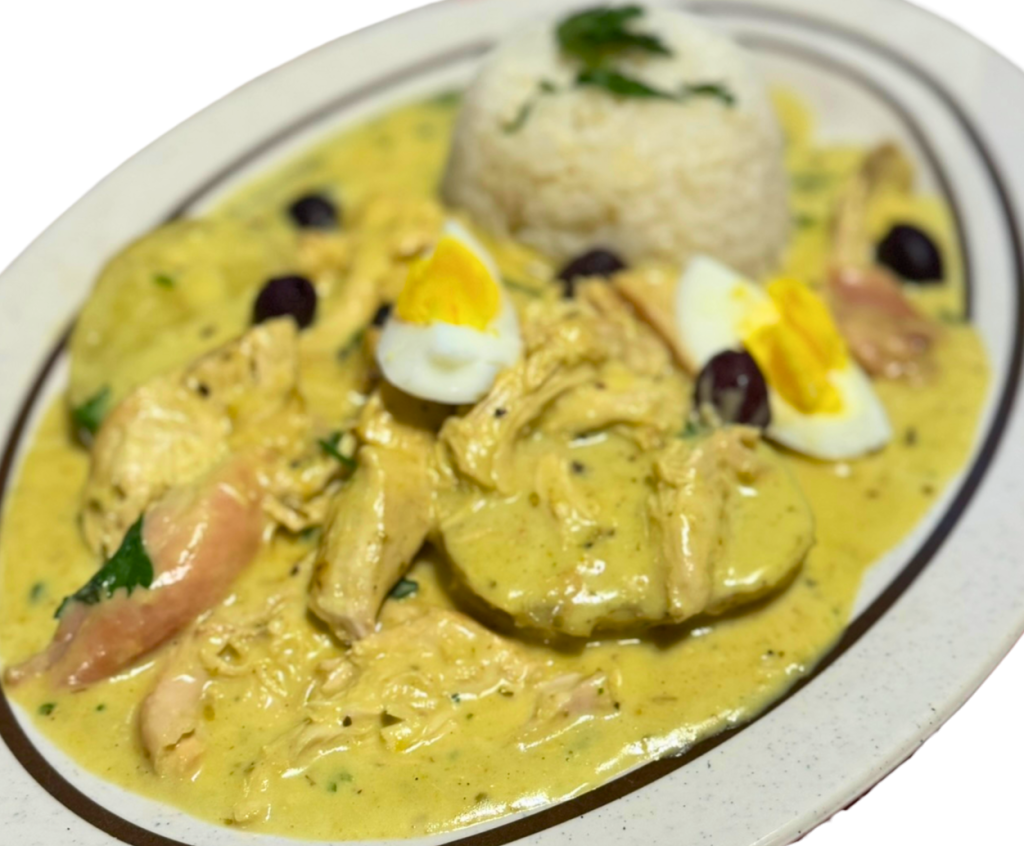
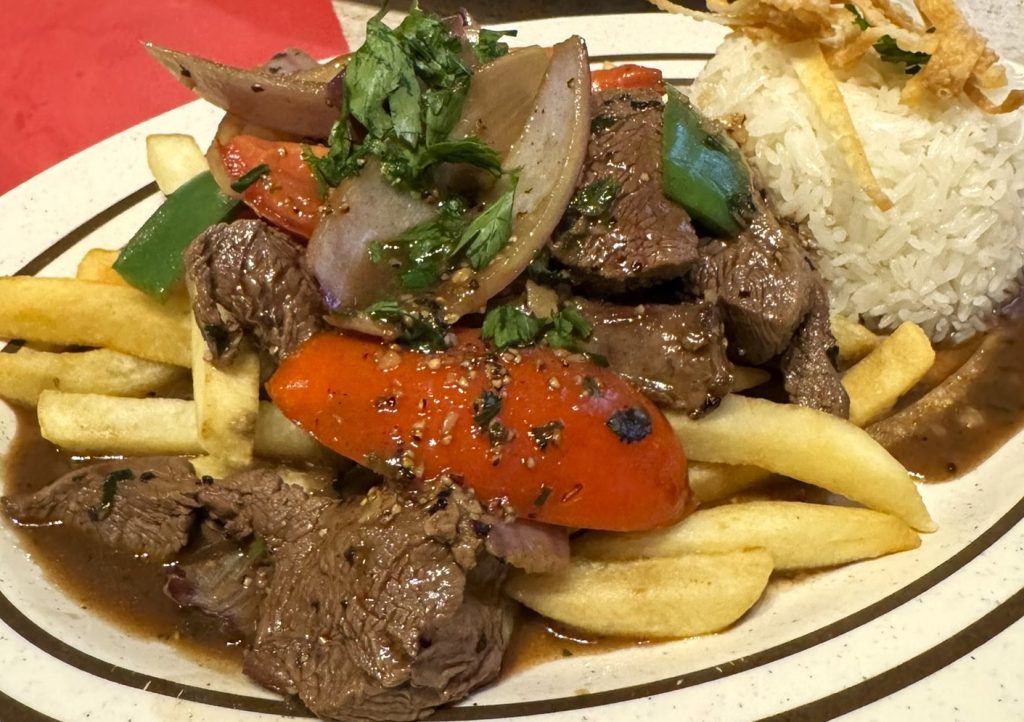
A YEAR OF CEVICHE: Nana Peruvian Kitchen celebrates its first anniversary Saturday Aug. 1.
If you have never driven to Fredonia for dinner, now’s your chance. Get to 21 Prospect St., Fredonia, just a mile off the Thruway.
Get the ceviche with lime and cumin, the lomo saltado, and the chicken aji de gallina. Sigh in gratitude that we have a real Peruvian restaurant. Drive back to Buffalo.
ASK THE CRITIC:
Q: What’s the most Italian restaurant in Buffalo?
— Casey M., Amherst, via email
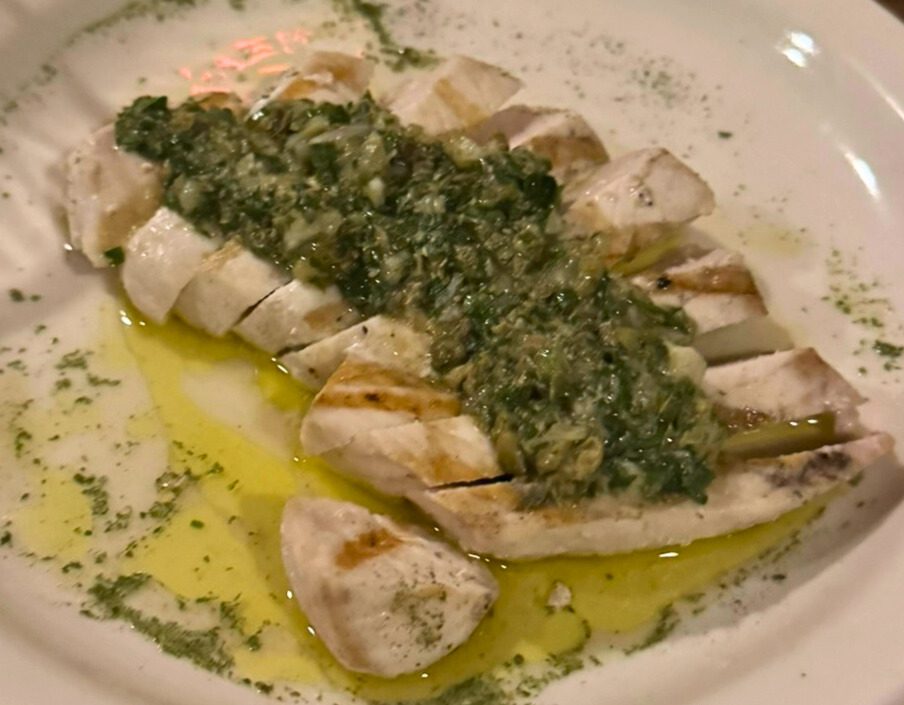
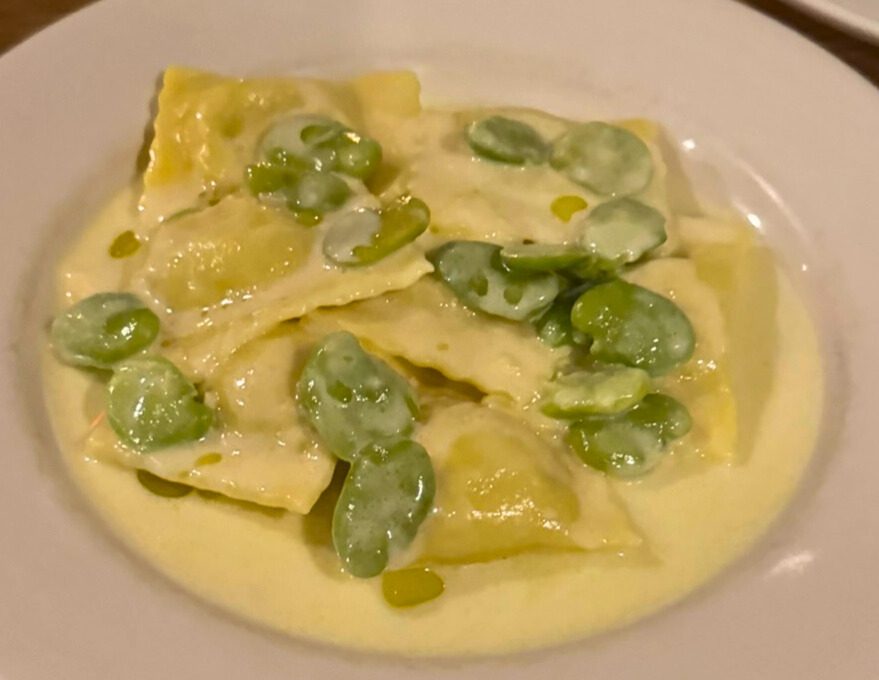
A: That’s easy. DiTondo.
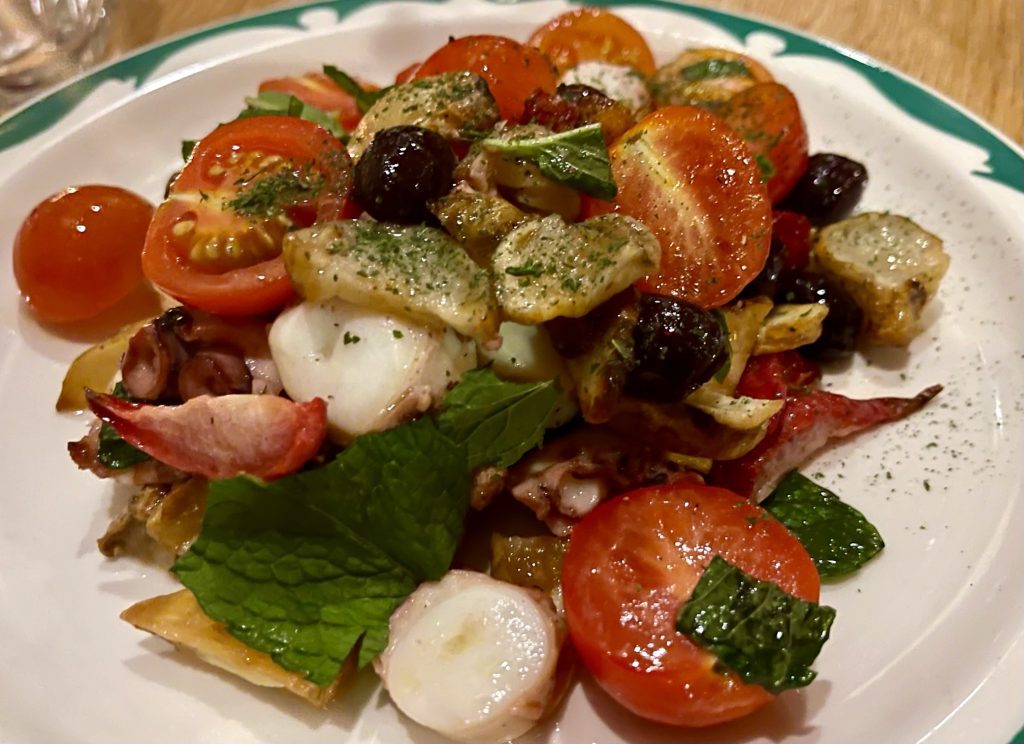
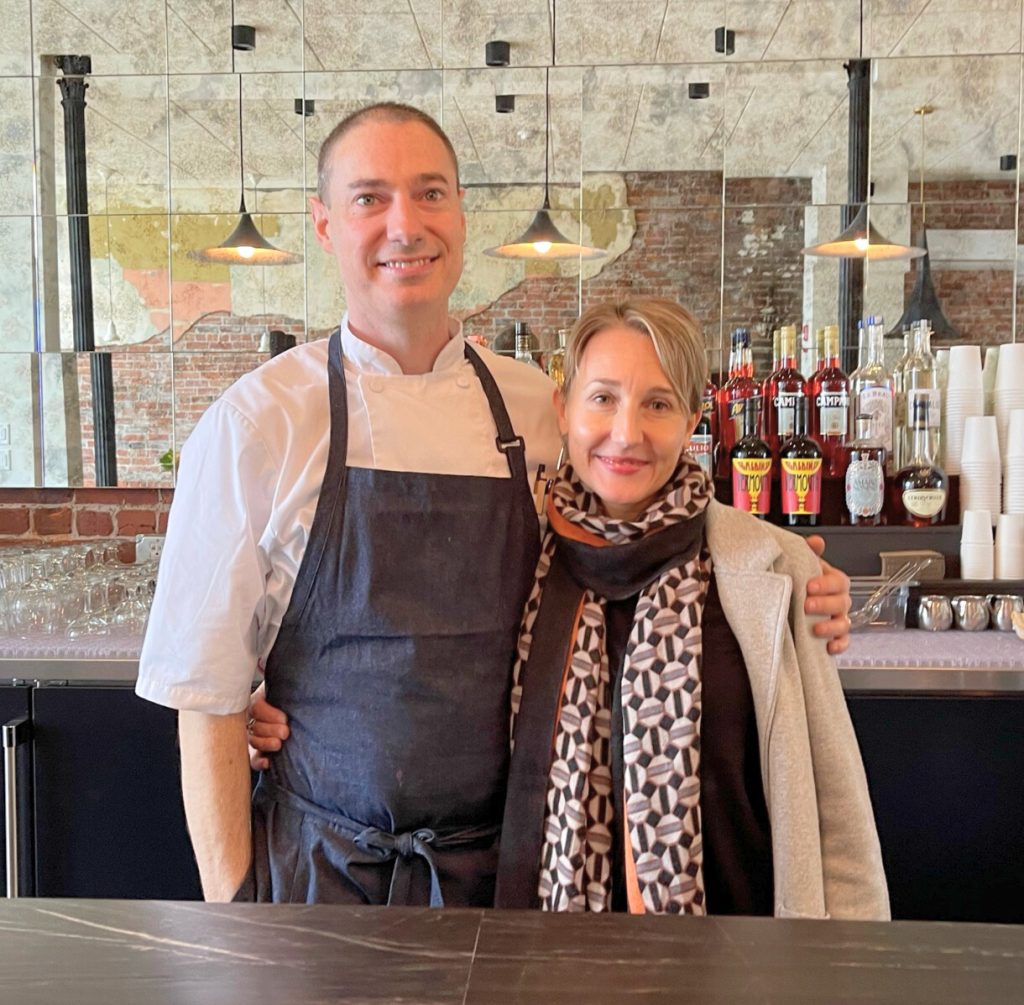
A Lombardy-born chef and the great-granddaughter of Sebastiano DiTondo have transformed the former tavern at 370 Seneca St.
Fabio Consonni and Rita DiTondo met working at a Michelin-starred restaurant on Lake Como, then worked at Michelin-starred establishments Per Se and Gramercy Tavern in New York City.
Now they offer what Italians in Buffalo call the closest thing to home cooking. Yet the most expensive dish on the menu, bavette steak with green peppercorn sauce and tagliatelle, is still just $36.
More local food and restaurant stories compiled by Michael Chelus of Nittany Epicurean:
- Mr. Galarneau told us about his new favorite Korean restaurants in WNY – Chin Hills [Four Bites]
- Andrew also told us how Chef Adrian Bylewski got the reins at three high-profile kitchens – the Roycroft Inn, the Mansion on Delaware and the Statler Hotel [Four Bites]
- Francesca told us why the new location of Wayland Brewing and Buffalo Bros Burgers in Lancaster has its finger on the pulse [Buffalo News]
- Mel highlighted some small businesses that are succeeding in this economy including Reserve Steakhouse, Sports City Pizza Pub and more [Buffalo Rising]
- Brett wrote about the Argentinian cuisine at Tangos 716 [Step Out Buffalo]
- Brian’s Buffalo Beer Buzz told us about the return of Bricks & Brews to the Martin House, Buffalo Brewing Company’s tenth anniversary and more [Buffalo Beer League]
- Jamie told us why we should acquaint ourselves with our local farmers and producers [Open till Four]
- Newell visited The Fire Spot [Buffalo Rising]
- Brian wants to bring back the TreBrewChet [Buffalo Beer League]
#30#